Endometrial Receptivity: Preparing the Uterine Lining for Transfer
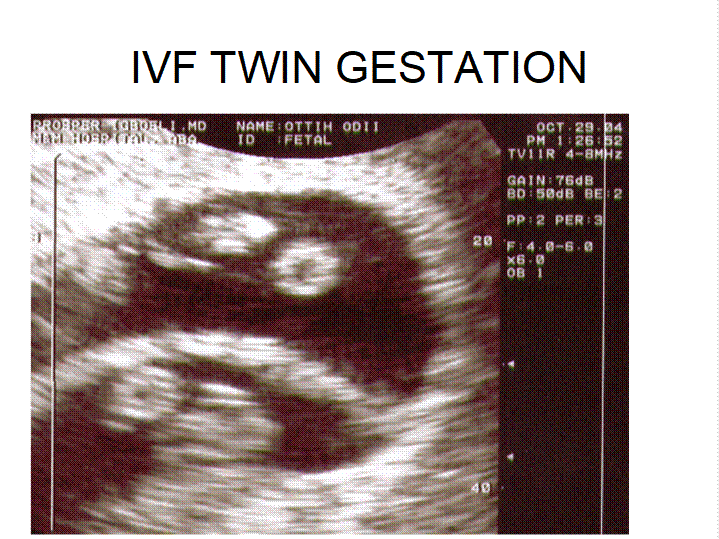
Medical insights on optimizing endometrial lining thickness and triple-line patterns to support successful embryo transfer.
The Triple-Line Pattern
A successful IVF cycle depends on both embryo quality and uterine receptivity. Endometrial thickness is evaluated via ultrasound, aiming for a measurement between 8mm and 12mm. The presence of a clear triple-line pattern (representing the outer margins and central lumen of the endometrium) indicates optimal receptivity.
Progesterone Timing and Receptivity Windows
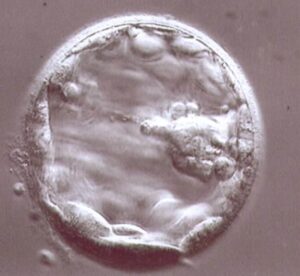
Following estrogen stimulation, progesterone is administered to transform the lining from a proliferative state into a secretory state. The timing must be precise, creating a receptivity window that aligns with the age of the embryo (e.g., 120 hours of progesterone exposure prior to a Day 5 blastocyst transfer).
🧠 Key Takeaways
- ✅ Optimal lining thickness ranges between 8mm and 12mm.
- ✅ Triple-line ultrasound pattern indicates healthy receptivity.
- ✅ Secretory transformation requires precise progesterone timing.
- ✅ Adjusting protocols for patients with thin endometrium history.