The IVF Journey
A thoughtful path from ovulation to implantation
Conception begins when an egg is released from the ovary and fertilized by sperm. The resulting embryo travels to the uterus, where implantation may occur. Fertility treatment considers every part of this process and begins with a careful understanding of your individual history, diagnosis, and goals. \
Â
NORMAL CONCEPTION PROCESS
IVF is one option in a personalised fertility plan
IVF is essential for some patients, including those with severely damaged or blocked fallopian tubes or extremely low sperm counts. For others, less intensive options such as timed intercourse with medication or intrauterine insemination may be more appropriate. Your M&M consultant discusses the medical, physical, emotional, and financial considerations before recommending the right course of care.
Â
INDICATIONS FOR IN VITRO FERTILIZATIONÂ
The major indications for the use of IVF-ET in the infertile couple include but are not limited to the following conditions:
1.    Irreparable Tubal disease and bilateral tubal blockade.
2.    Male factor infertility.
3.    Cervical Factors.
4.    Immunologic factors.
5.    Idiopathic factors or unexplained infertility.
6.    Ovarian disorders.
7.    Genetic disorders.
8.    Uterine disease or its absence.
9.    Endometriosis.
Â
In the absence of the uterus, a surrogate mother can be used to accomplish the desired pregnancy if the patient has normal and functioning ovaries that can make good follicles.
Â
Â
Understanding the reasons for IVF
Tubal factor infertility
Absent or irreversibly blocked fallopian tubes.
Male factor infertility
Very low sperm count or motility, often with ICSI support.
Endometriosis
Where the condition affects natural conception or treatment planning.
Ovulatory or unexplained infertility
When diagnostic findings point to assisted conception as an appropriate next step.
Five essential stages of IVF
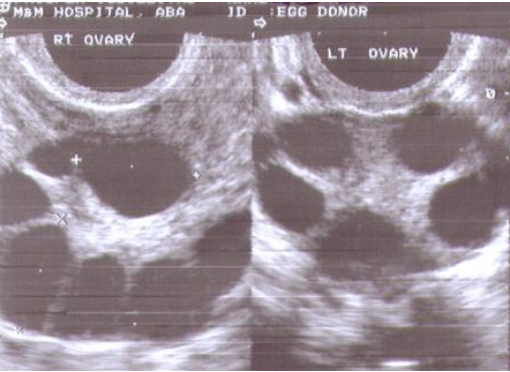
Medication, ultrasound monitoring, and hormone testing help guide the timing of egg retrieval.
Retrieve the eggs
  Â
Â
Â
Eggs are collected using a transvaginal ultrasound-guided procedure with appropriate sedation and local anaesthesia.
Prepare the sperm
Fertilize and culture
Transfer the embryo
Timing is guided by close clinical monitoring
Fertility medication is selected for the woman’s individual situation to support egg development. At M&M, ultrasound examinations of the ovaries and hormone checks help the clinical team assess developing follicles, decide when final maturation medication is needed, and plan egg retrieval at the appropriate time.
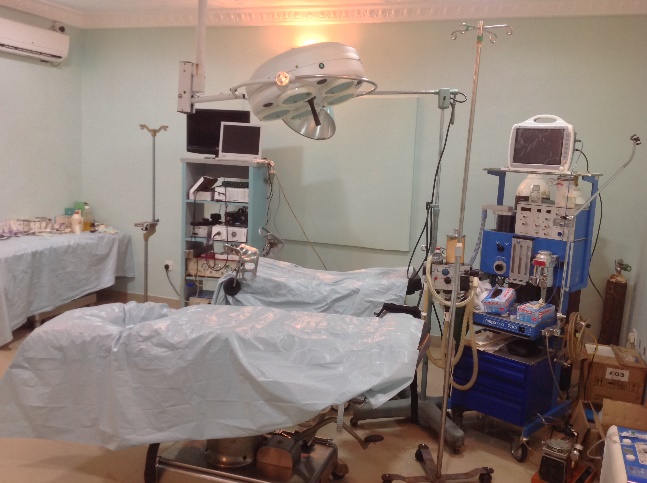
Egg collection in a dedicated clinical setting
Eggs are retrieved transvaginally with a hollow needle guided by ultrasound imaging. The procedure is performed with adequate sedation and local anaesthesia for comfort. The embryology team identifies the eggs immediately in the adjacent IVF laboratory, where their development can be carefully supported.

Â
Â
Â
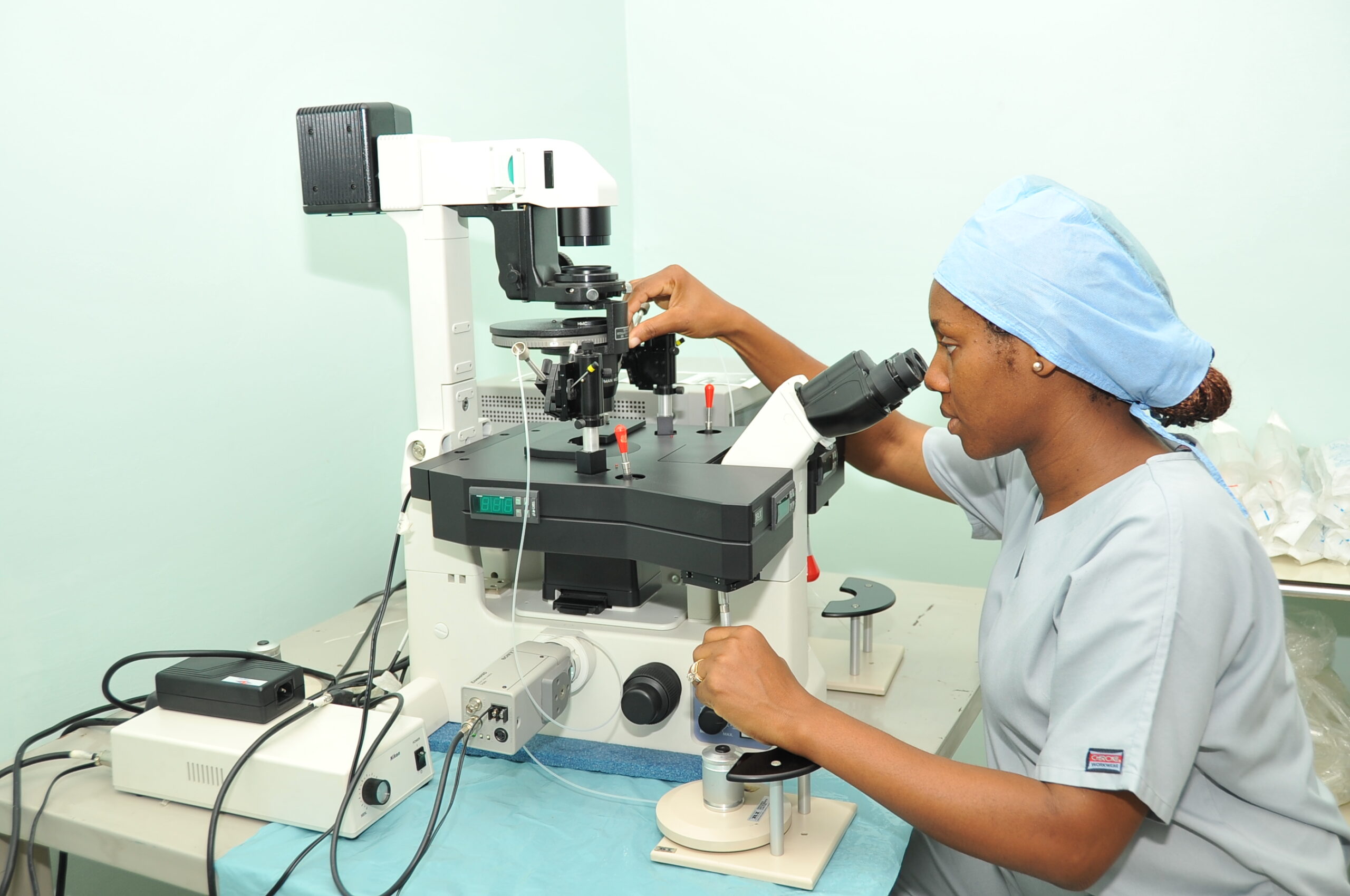
IVF and ICSI are performed in the laboratory
Retrieved eggs are inseminated with carefully prepared good quality sperm. Where sperm parameters are unacceptably low for conventional insemination, special procedures are indicated to achieve fertilization. it may require a procedure called intra-cytoplasmic sperm injection (ICSI) to support fertilization by introducing a selected sperm into a mature egg. Eggs and sperm are then placed in controlled incubators for fertilization and early embryo growth.Â
Â
Â
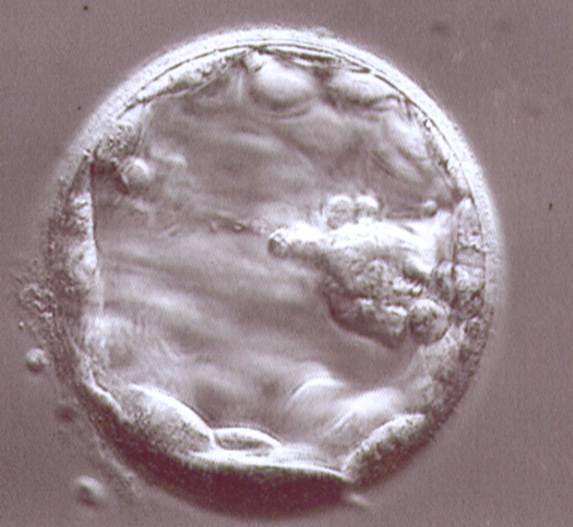
From fertilization check to blastocyst
Fertilization is assessed by the presence of two pronuclei or two polar bodies.Â
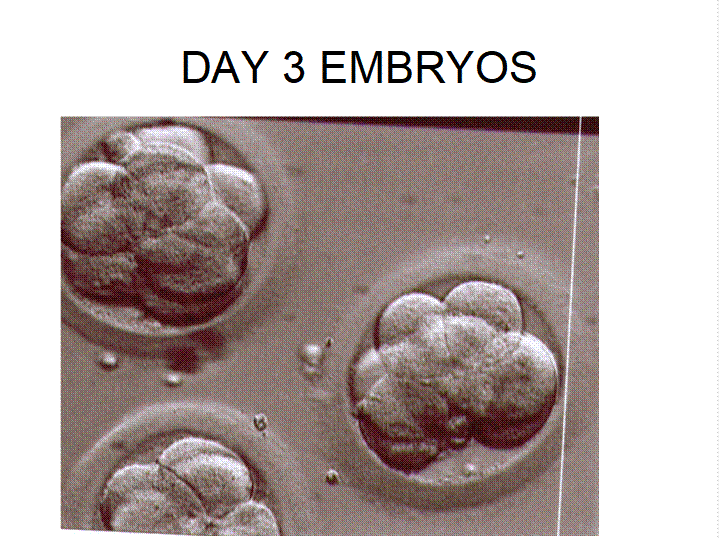
Embryologists then examine embryos at intervals to confirm cell division. Some embryos may be considered for transfer after two or three days, while others are cultured to the day-five blastocyst stage based on the individual treatment plan.
A gentle transfer with continued support
Frequently asked questions
Yes. Evaluations can be arranged in person or virtually by telephone or video conference. Medical records can be sent ahead to your M&M consultant for review.
ICSI may be recommended when sperm count or quality is very low. It allows an embryologist to introduce a selected sperm into a mature egg as part of the IVF process.
The laboratory assesses fertilization after the eggs and sperm have been incubated. The presence of two pronuclei or two polar bodies is a usual indicator of fertilization.
Embryo transfer timing is individualized. It may take place two or three days after egg retrieval, or at the blastocyst stage, depending on the treatment plan and embryo development.
Blood testing, and sometimes ultrasound follow-up, is arranged approximately two weeks after egg retrieval. Your care team will provide the exact schedule for your treatment.