Behind the Glass: High-Precision Embryonic Vitrification Standards
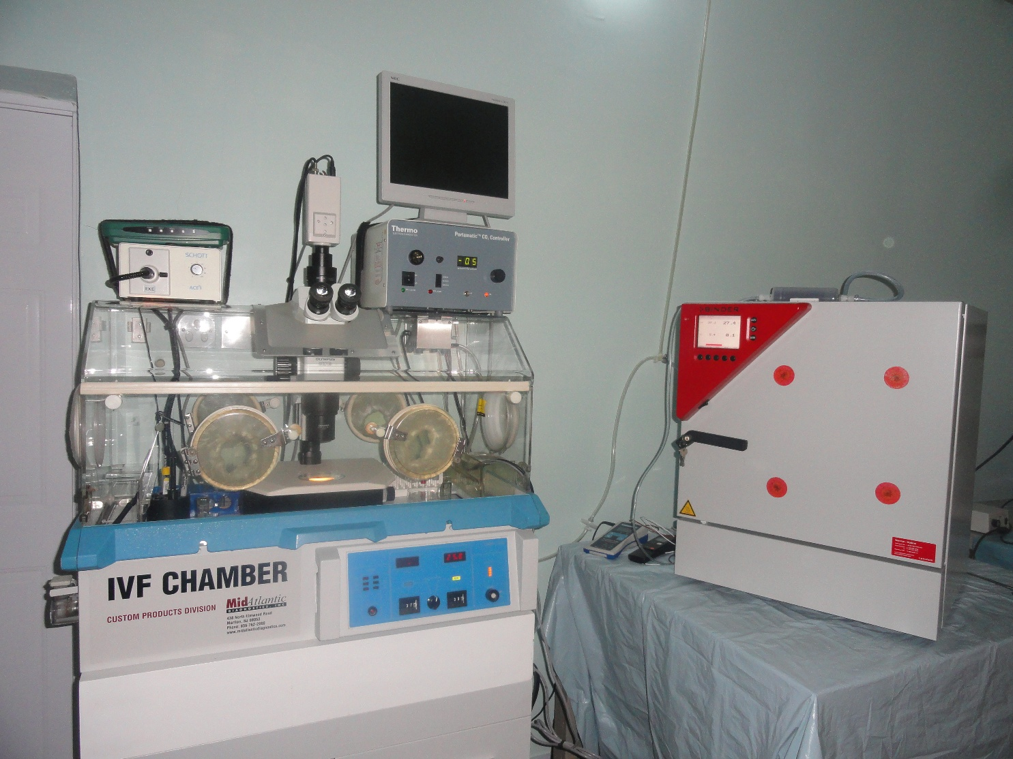
Understanding the laboratory cryopreservation technologies and vitrification standards that preserve embryo viability.
The Physics of Vitrification
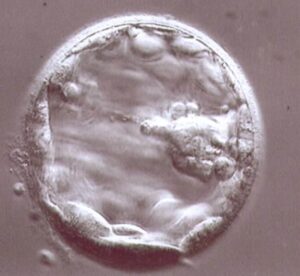
Cryopreservation has evolved from slow-cooling protocols to vitrification, a high-speed flash-freezing method that transforms the intracellular fluid into a glass-like state. By cooling cells at approximately 20,000 degrees Celsius per minute, we prevent the formation of sharp ice crystals, which can damage the delicate internal membranes of oocytes and blastocysts.

Strict Lab Atmosphere Verification
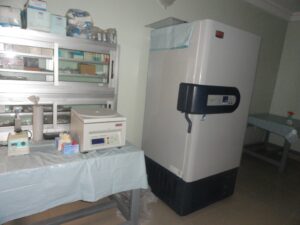
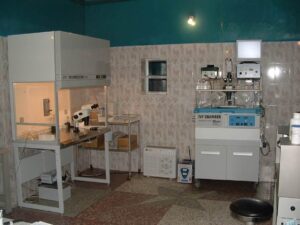
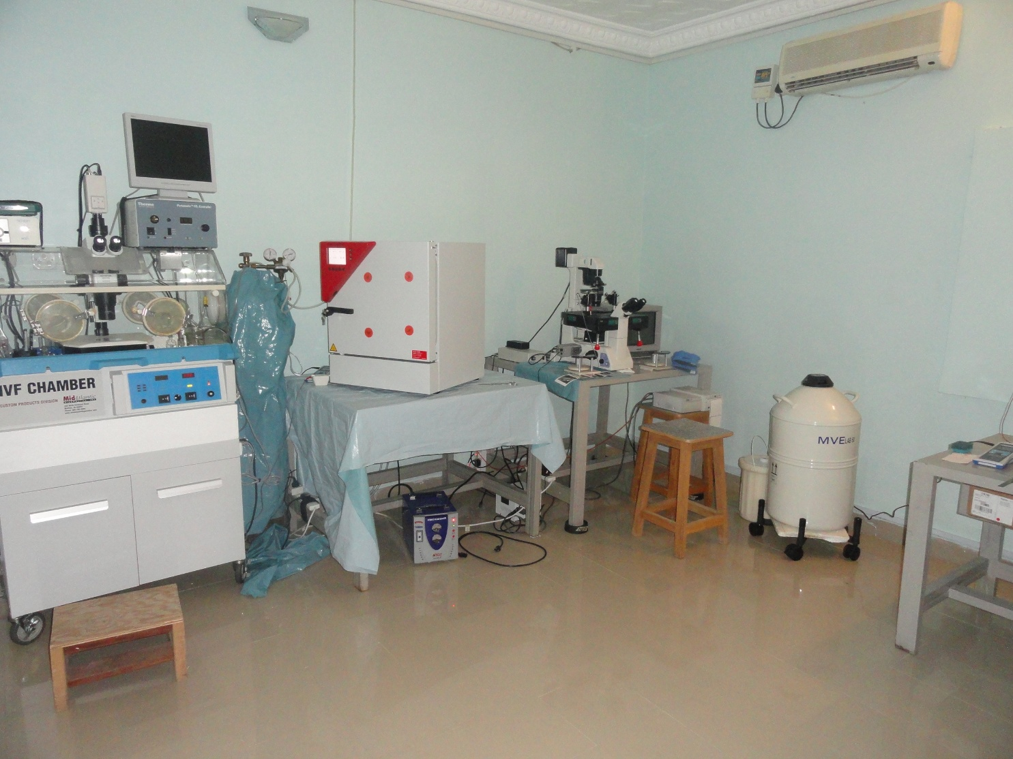
Embryo survival depends on strict environment regulation. Our cleanrooms maintain constant laminar air flow, filtering out volatile organic compounds (VOCs). The vitrified cells are kept in liquid nitrogen cryo-banking tanks at minus 196 degrees Celsius, preserving viability for decades.
🧠 Key Takeaways
- ✅ Flash-freezing prevents damaging ice crystal formation.
- ✅ Survival rates exceeding 95% post-thaw for blastocysts.
- ✅ Liquid nitrogen storage at minus 196 degrees Celsius.
- ✅ Cleanroom filtration systems keeping workspace free of VOCs.