Ovarian Rejuvenation via Autologous Stem Cells: The ROSE-1 Trial Outcomes
Exploring clinical results from the ROSE-1 interventional pilot study showing how autologous bone marrow stem cell injections reverse premature ovarian failure and menopause symptoms.
Introduction to Ovarian Senescence
Premature Ovarian Failure (POF) is a challenging condition characterized by the loss of normal ovarian function in women younger than 40 years. It is particularly traumatic when diagnosed in early reproductive life, leaving patients to cope with severe post-menopausal symptoms and infertility. Traditionally, the only option for POF patients desiring pregnancy has been to receive donor eggs. However, many women, due to various religious, cultural, or ethical considerations, prefer to use their own genetic eggs.
The ROSE-1 Trial Methodology
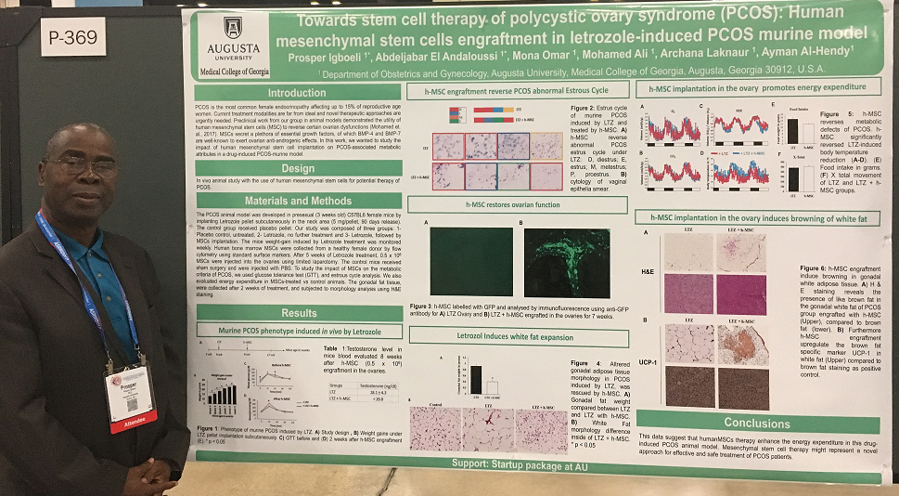
The ROSE-1 clinical trial (NCT02696889, registered on ClinicalTrials.gov) represents a major breakthrough in ovarian rejuvenation. The study investigates the safety and efficacy of injecting autologous human bone marrow-derived mesenchymal stem cells (h-MSC) directly into the ovaries of women diagnosed with POF to restore steroidogenesis, follicular growth, and menstruation.
Harvesting and Processing Protocols
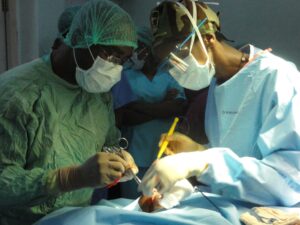
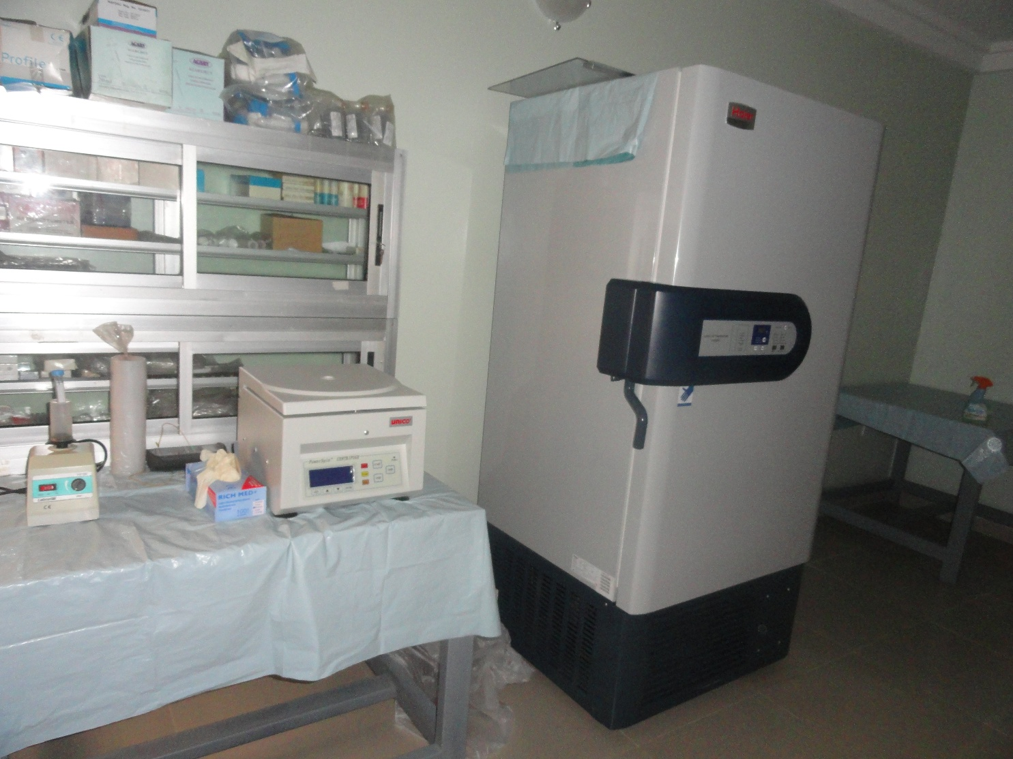
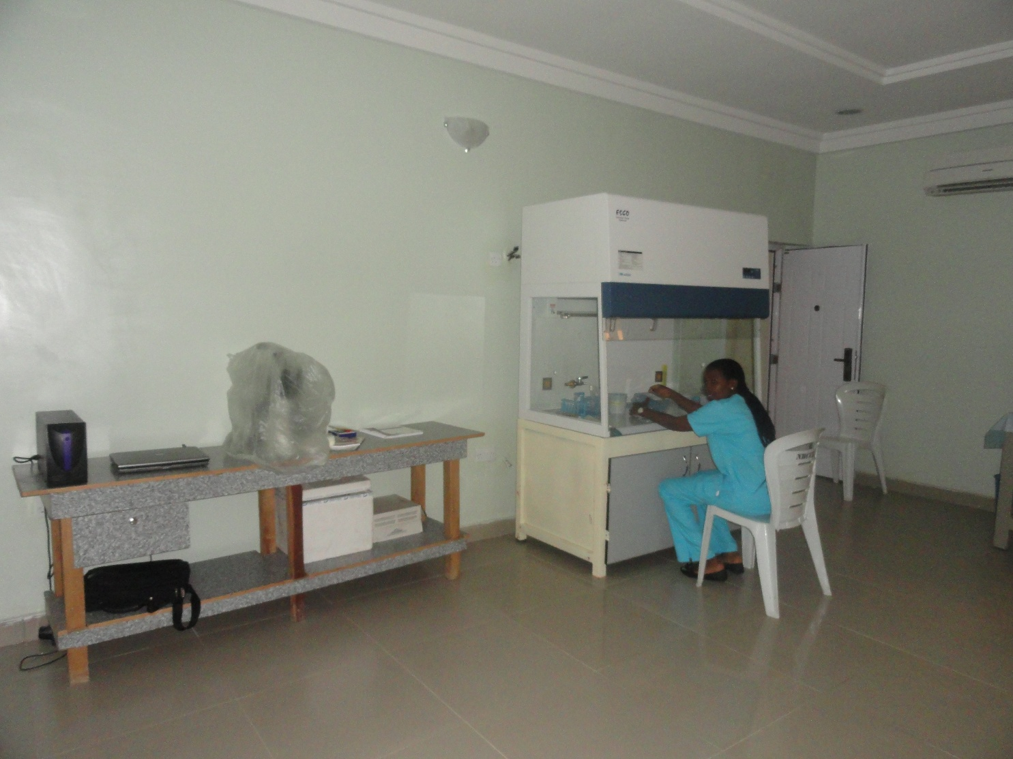
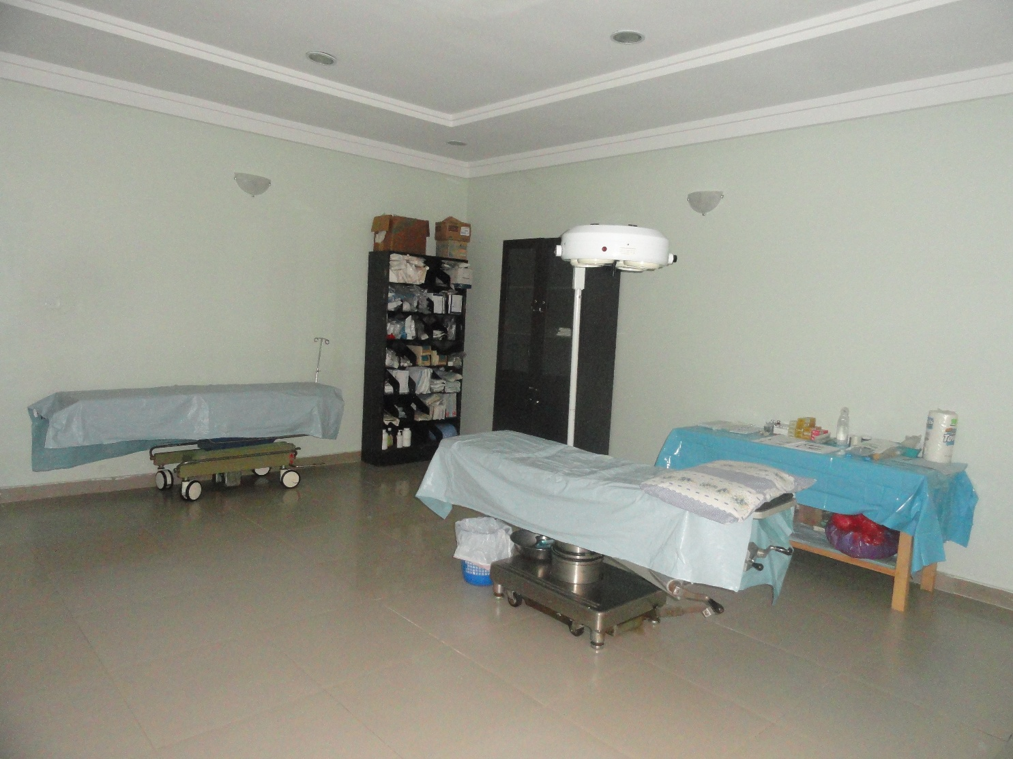
During the procedure, bone marrow stem cells are harvested from the patient’s posterior iliac crest under general anesthesia. Aspiration yields approximately 150cc of marrow, which is processed in a sterile centrifuge using the high-precision Angel system to extract a highly concentrated harvest of stem cells (3 to 6cc). These cells are then injected directly into the ovary under direct vision using a laparoscopic cannula.
Key Clinical Outcomes
Clinical follow-up at 1, 3, 6, 9, and 12 months post-transplantation has shown remarkable outcomes. In pilot cases, patients experienced a sustained increase in serum estradiol levels from a menopausal baseline of 24 pMol/L to over 96 pMol/L, leading to the resumption of natural menstruation. Sufferers reported a significant reduction in post-menopausal symptoms, including hot flushes, vaginal dryness, and insomnia. No safety issues or complications have been reported, paving the way for wider clinical application.
🧠 Key Takeaways
- ✅ Sustained restoration of baseline estradiol levels.
- ✅ Significant relief from severe post-menopausal hot flushes.
- ✅ Resumption of menstrual cycle at 7 months post-transplant.
- ✅ Zero safety complications or adverse reactions reported.